Charleston & the Bloomsbury Group: Your Literary Base in Lewes
When Virginia Woolf found Charleston Farmhouse for her sister Vanessa Bell in 1916, she couldn't have known she was creating one of Britain's most important cultural landmarks. Today, literary tourists from around the world make the pilgrimage to East Sussex to walk in the footsteps of the Bloomsbury Group—and Lewes is the perfect base for your visit.
The View at Hill Lodge offers spacious accommodation in the heart of Lewes, just 20 minutes from Charleston House and a short walk from Charleston's cultural center in Lewes town. Whether you're attending the Charleston Festival, exploring Virginia Woolf's legacy, or simply immersing yourself in Sussex's rich literary history, our self-catering flat provides the space and comfort you need.
Why Lewes is Perfect for Charleston Visitors
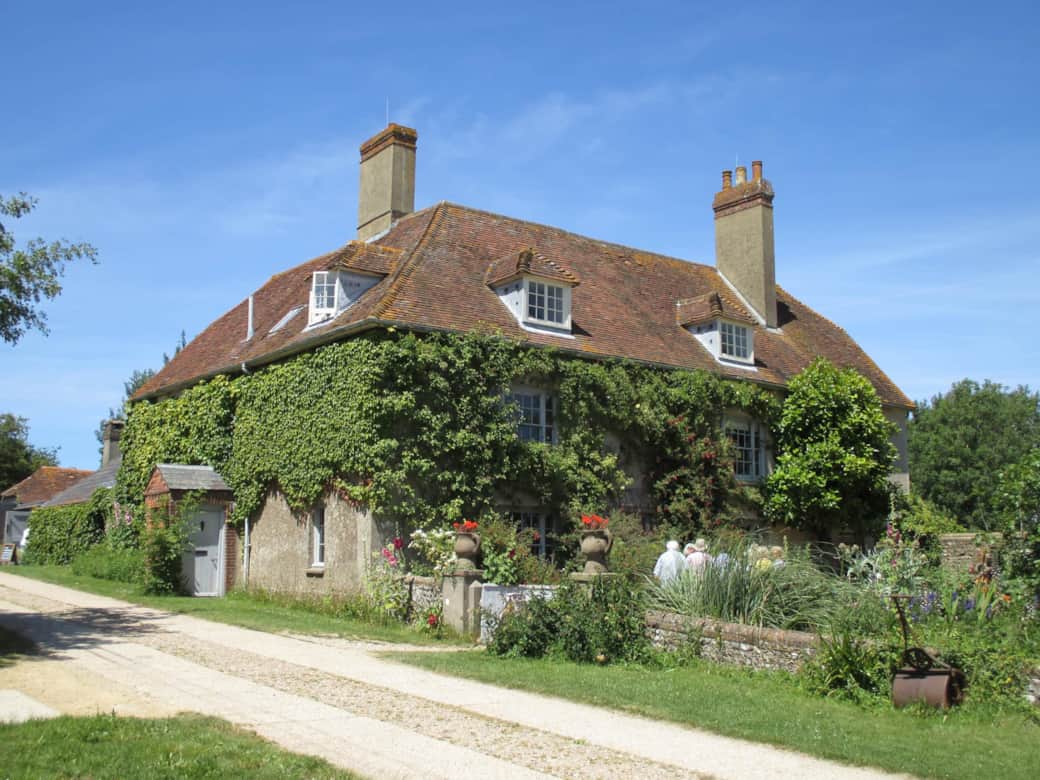
Charleston House sits in the village of Firle, seven miles east of Lewes along the A27. While Charleston is relatively remote—accessed by a narrow country lane—staying in Lewes gives you the best of both worlds: easy access to Charleston and its neighboring Bloomsbury sites, plus the charm, restaurants, and amenities of one of Sussex's most beautiful market towns.
Distance from The View at Hill Lodge:
- Charleston House, Firle: 20 minutes by car
- Charleston in Lewes (exhibitions): 5 minute walk
- Virginia Woolf's Monk's House: 25 minutes by car
- Berwick Church (Bloomsbury murals): 15 minutes by car
Our accommodation includes dedicated parking—a significant advantage when visiting Charleston, as their free car park can fill quickly during peak season, especially during the Charleston Festival in May.
Charleston House: The Heart of the Bloomsbury Group
Charleston wasn't just a country retreat—it was where some of the 20th century's most radical thinkers gathered to reimagine society, art, and literature. Artists Vanessa Bell and Duncan Grant moved here in 1916 and spent the next half-century transforming every surface into art. Painted doors, decorated furniture, murals, ceramics—the entire house is a living canvas.
The house became a magnet for the Bloomsbury Group's brightest minds. Virginia Woolf was a regular visitor to her sister's home. Economist John Maynard Keynes stayed for extended periods. Writers E.M. Forster and T.S. Eliot, composer Benjamin Britten, and art critic Roger Fry all spent time at Charleston, creating a hothouse of intellectual and artistic innovation.
What to See at Charleston
The House: Guided tours take you through rooms where every surface tells a story. Duncan Grant's studio remains untouched, paint bottles and brushes scattered as if he's just stepped out for a moment. The dining room where the Bloomsbury Group held their famous conversations still displays the hand-painted dinner service.
The Walled Garden: Designed by Roger Fry and created by Bell and Grant, the garden mixes Mediterranean influences with English cottage garden planting. The intense colors and unusual combinations inspired countless still life paintings. Sculptures dot the garden—from classical forms to modernist works by Quentin Bell.
The Galleries: Charleston's modern galleries host contemporary exhibitions that bring the modernist legacy into dialogue with today's artists. These rotating displays ensure there's always something new to discover.
Charleston Festival (May): Each May, Charleston hosts one of Britain's premier literary and arts festivals. Writers, thinkers, and artists gather to discuss ideas, just as the Bloomsbury Group once did around Charleston's dining table. Book your accommodation early—this is the busiest time for literary tourists visiting the area.
Virginia Woolf's Sussex
Virginia Woolf didn't live at Charleston, but she was never far away. From 1919 until her death in 1941, she and her husband Leonard lived at Monk's House in Rodmell, just 4 miles from Charleston. The National Trust now manages this intimate house and garden where Virginia wrote some of her greatest novels.
Monk's House offers a contrast to Charleston's bohemian exuberance. It's smaller, more contemplative—a writer's sanctuary. The garden where Virginia and Leonard worked together still blooms with the plants they chose. The writing lodge where she penned "Between the Acts" stands at the garden's end.
Many visitors combine Charleston and Monk's House in a single day, spending morning at one and afternoon at the other. Staying in Lewes makes this easy—both houses are within a 25-minute drive.
Charleston in Lewes: Art in the Town Center
You don't even need to leave Lewes to experience Charleston. The trust recently opened Charleston in Lewes, a cultural center housed in a 1930s municipal building near the train station. This space hosts rotating exhibitions, workshops, artist talks, and community events, plus a shop filled with Bloomsbury-inspired gifts, books, and textiles.
Charleston in Lewes is free to visit and open more hours than the farmhouse, making it perfect for arrival or departure day, or for a rainy afternoon when you want culture without a drive. The cafe serves excellent coffee and pastries—ideal fuel before exploring Lewes's many bookshops and galleries.
Berwick Church: Hidden Bloomsbury Treasure
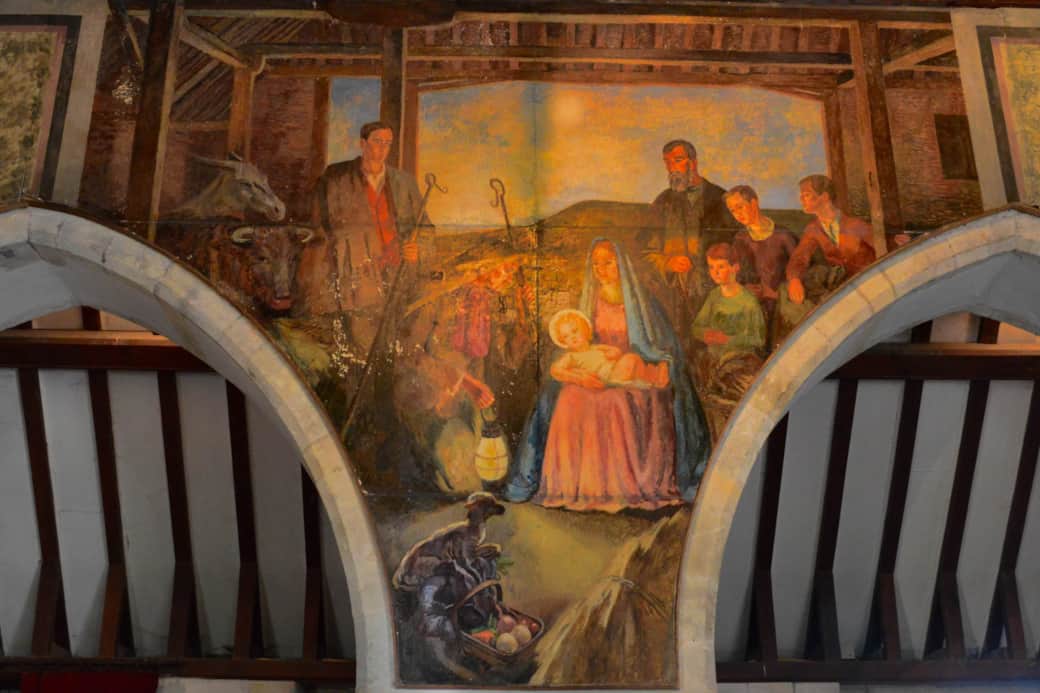
Four miles from Charleston, the tiny village of Berwick holds a surprising treasure. St Michael and All Angels church contains murals and a painted pulpit by members of the Bloomsbury Group, commissioned during World War II. Duncan Grant and Vanessa Bell created biblical scenes with a distinctly modernist twist—Christ looks oddly contemporary, Mary Magdalene could be a Bloomsbury hostess.
The church is usually open during daylight hours and free to visit. It's worth the short detour, especially on a day when you're already out exploring the countryside around Charleston.
Planning Your Literary Pilgrimage
Best Times to Visit
Spring (March-May): The gardens at both Charleston and Monk's House are at their most beautiful. The Charleston Festival in May is the highlight of the literary calendar, but book accommodation months in advance.
Summer (June-August): Peak season means more crowds but guaranteed good weather. All sites have full opening hours, and the South Downs are perfect for walking.
Autumn (September-November): Fewer visitors and golden light make this an ideal time for a contemplative literary retreat. Gardens still look beautiful, though some flowers have faded.
Winter (December-February): Charleston and Monk's House have reduced hours, but you'll have both places nearly to yourself. Cozy evenings in Lewes's pubs and restaurants after a day exploring Bloomsbury sites.
Practical Information
Charleston House Opening: Wednesday-Saturday plus bank holidays, 10am-5pm (check website for seasonal variations)
Tickets: Pre-booking recommended, especially for weekend and festival visits
- House tour: £20-26.50
- Exhibitions: £9.90-11
- Garden only: Free Wednesday-Saturday
Getting There Without a Car: Trains run frequently from London to Lewes (1 hour). From Lewes station, taxis to Charleston cost approximately £20-25. Alternatively, some visitors cycle—it's 7 miles through beautiful countryside, though the last stretch is hilly.
Why Stay at The View at Hill Lodge?
Space for Groups: Charleston visits are more enjoyable with friends or family to discuss what you've seen. Our flat sleeps 6-8, perfect for a literary retreat with fellow Bloomsbury enthusiasts or a multi-generational family discovering these sites together.
Central Lewes Location: Walk to Charleston in Lewes, Lewes's excellent bookshops (including The Fifteenth Century Bookshop, one of Britain's best antiquarian dealers), independent cafes, and restaurants. Return in the evening to discuss the day's discoveries over wine.
Dedicated Parking: Drive to Charleston, Monk's House, and Berwick Church at your leisure. No worrying about train times or taxi availability.
Self-Catering Flexibility: Make your own breakfast and pack picnics for Charleston's gardens. Or enjoy Lewes's food scene—from traditional pubs to excellent restaurants like Pelham House and The Rights of Man.
Space to Write and Reflect: Three bedrooms and three bathrooms mean everyone has room to retreat and process the day's inspiration. Virginia Woolf valued solitude as much as society—our flat offers both.
Beyond Bloomsbury: Lewes's Rich History
While Charleston might bring you to Lewes, the town itself deserves exploration. Lewes has Saxon origins, a Norman castle, and a maze of medieval streets lined with independent shops. It's one of those rare British towns that has resisted chain stores in favor of local businesses.
The town is also famous for having more bookshops per capita than anywhere else in England. After a day immersed in Bloomsbury history, browsing Lewes's bookshops feels like a fitting continuation of your literary journey.
Book Your Charleston Visit
Ready to explore Charleston and the Bloomsbury Group's Sussex heritage? The View at Hill Lodge offers the space, location, and comfort you need for a memorable literary pilgrimage. With accommodation for up to 8 guests, dedicated parking, and Lewes's cultural attractions on your doorstep, you can immerse yourself fully in the world that inspired some of Britain's greatest artists and writers.