South Downs Walking from Lewes: Your Base for Exploring England's Newest National Park
Lewes sits at the heart of the South Downs National Park, where rolling chalk hills meet historic market town charm. Whether you're tackling a multi-day trek along the South Downs Way or prefer gentle afternoon rambles through quintessential English countryside, The View at Hill Lodge offers the perfect base: comfortable accommodation with space to spread out, secure parking for exploring different trail sections, and Lewes's excellent pubs and restaurants for post-walk refreshments.
Why Lewes is the Ideal South Downs Base
While many visitors start the South Downs Way from Winchester or Eastbourne—the official endpoints of the 100-mile national trail—Lewes offers something those bookend towns don't: immediate access to the best sections of the Downs combined with genuine town amenities.
From Lewes, you're within a 15-minute drive of multiple trail access points, each offering different landscapes and walk lengths. Unlike staying in a remote village or farmhouse B&B, you return each evening to a vibrant market town with independent shops, quality restaurants, and historic pubs—not to mention comfortable self-catering accommodation where walkers can spread out, dry boots, and plan the next day's route.
Walk Highlights Within 30 Minutes of Lewes:
- Mount Caburn (3 miles): Dramatic hillfort with panoramic views
- Firle Beacon (6 miles): One of the South Downs' highest points
- Ditchling Beacon (8 miles): Iconic summit on the South Downs Way
- Seven Sisters cliffs (15 miles): England's most dramatic coastline walk
- Cuckmere Haven (12 miles): River valley and coastal paths
Our accommodation includes dedicated parking—essential for circular walks or tackling different sections of the South Downs Way without backtracking. Park at our Lewes flat, drive to your chosen trailhead, walk, then return to comfort, hot showers, and a well-equipped kitchen perfect for refueling.
Classic Walks from Lewes
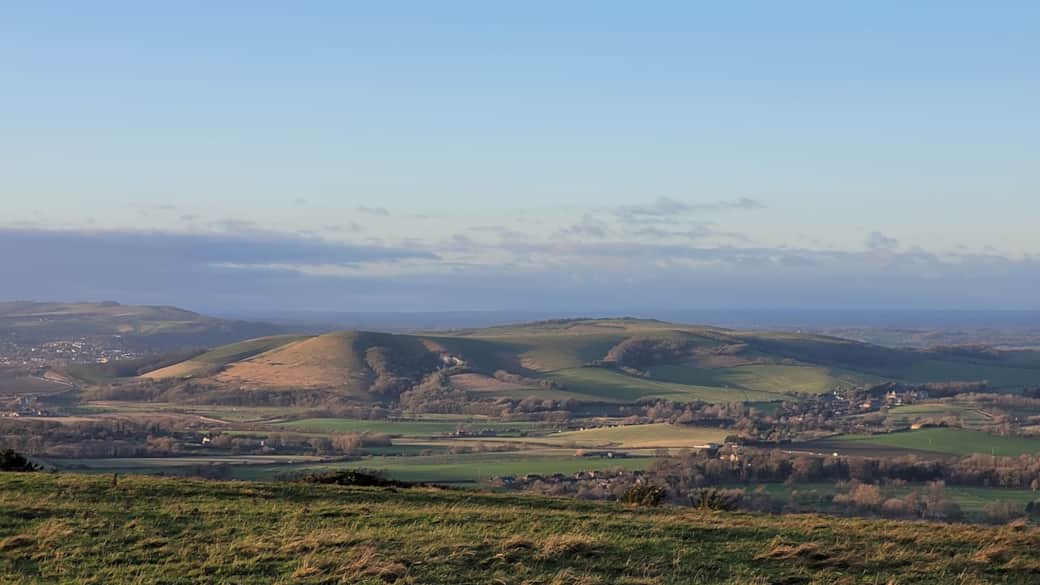
Mount Caburn: Lewes's Hidden Hillfort (3-4 hours, Moderate)
This Iron Age hillfort sits just 2 miles from Lewes town center, offering one of the finest viewpoints in the South Downs without requiring a long drive. The 487-foot summit gives 360-degree views: the English Channel glints to the south, the High Weald rises to the north, and Lewes nestles in the valley below.
Route: Circular walk from Glynde or from Lewes itself (adding 2 miles each way). The final ascent is steep—your heart will pound—but the views reward every step. On clear days, you can see across to the Isle of Wight.
Why it's special: Despite being Lewes's closest hill, Mount Caburn remains surprisingly quiet. While tourists flock to more famous summits, locals know this hidden gem offers equally spectacular views with a fraction of the crowds. The ancient earthworks and defensive ditches speak of the hill's long history as a refuge and lookout point.
After your walk: Return to Lewes for lunch at The Pelham House or a pint at The Lewes Arms, one of Harvey's Brewery's historic pubs. On market days (Monday, Tuesday, Friday, Saturday), the farmers market offers local cheeses, bread, and produce perfect for tomorrow's packed lunch.
Firle Beacon: Summit the South Downs (4-5 hours, Challenging)
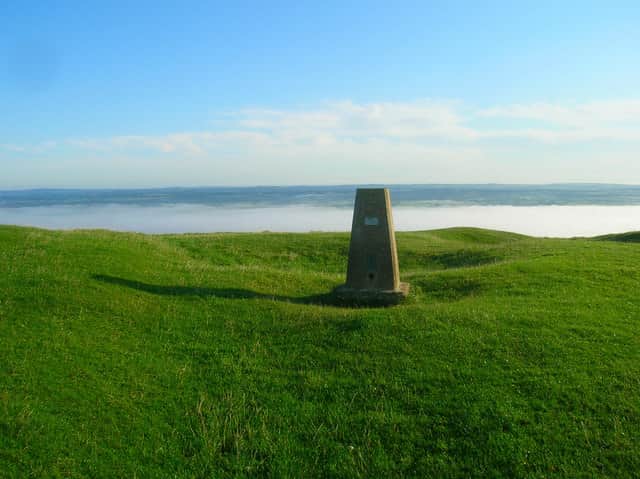
At 718 feet, Firle Beacon is one of the South Downs' highest points and offers what many consider the most spectacular panorama in the entire national park. This walk combines challenging climbs with exhilarating ridge walking and views that extend from the English Channel to the North Downs on clear days.
Route: Park at Bo-Peep car park (5 minutes from Lewes) and ascend via the South Downs Way. The climb is relentless but on good paths. Once on the ridge, follow undulating terrain eastward to Firle Beacon's trig point. Return the same way or create a circular route through the pretty village of Firle (adding an extra hour).
Why it's special: The sense of elevation here is extraordinary. You're standing on chalk downs that have looked essentially unchanged for thousands of years. Skylarks sing overhead, butterflies dance in the summer grasses, and the curve of the English coastline stretches before you like a geographic history lesson.
Walk extensions: From Firle Beacon, experienced walkers can continue east to Alfriston (adding 10 miles), west to Ditchling Beacon (8 miles), or north down to Charleston House (2 miles downhill)—making this walk easily combinable with a Charleston visit.
Ditchling Beacon: Icon of the South Downs Way (3-4 hours, Moderate)
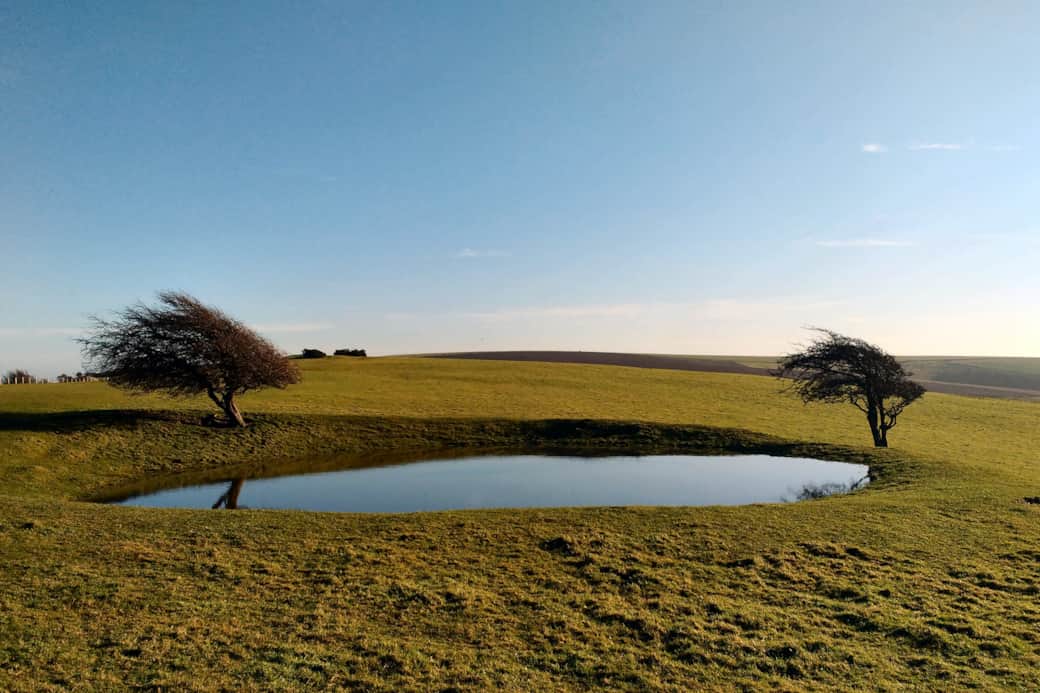
Ditchling Beacon stands as perhaps the most recognized summit on the South Downs Way. At 813 feet, it's the third-highest point in the South Downs, and its position above the dramatic scarp slope creates views that feel out of proportion to the elevation. This is proper "top of the world" walking.
Route: Park at Ditchling Beacon car park (15 minutes from Lewes) and walk either east or west along the South Downs Way. Even a short out-and-back rewards you with classic chalk downland walking: springy turf, wide skies, and views that roll away in every direction. For a longer walk (8 miles), create a circular route through Jack and Jill windmills and the village of Clayton.
Why it's special: This section of the South Downs Way has appeared in countless photographs and paintings. The landscape embodies everything people mean when they say "the South Downs"—vast sky, flowing hills, and that distinctive chalk-white path cutting through green turf. In summer, the grasslands explode with wildflowers and butterflies. In autumn, the air sharpens and the views extend even further.
Historical note: Bronze Age burial mounds dot the surrounding hills—evidence that humans have been drawn to this dramatic landscape for 4,000 years. During World War II, the beacon served as a vital observation post watching for German aircraft.
Seven Sisters Coastal Walk: Where Downs Meet Sea (5-6 hours, Challenging)
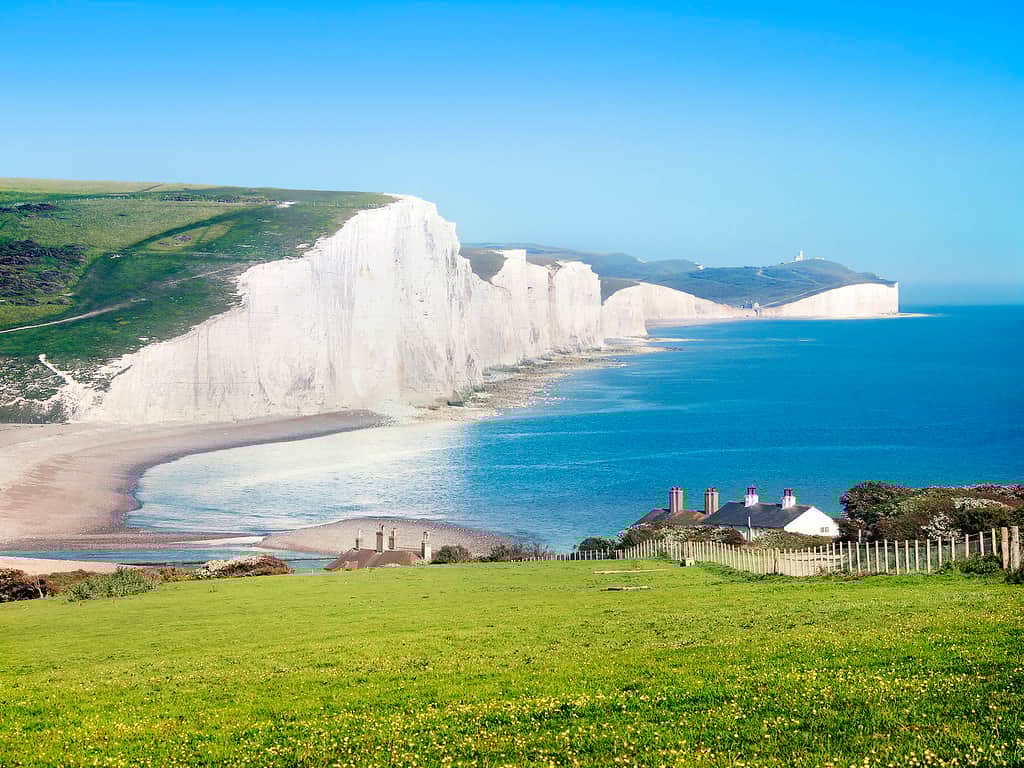
No South Downs walking holiday is complete without experiencing where these dramatic chalk hills plunge into the English Channel. The Seven Sisters provide Britain's most spectacular coastal scenery—brilliant white cliffs rising 500 feet from turquoise waters, with the iconic red-and-white Beachy Head lighthouse standing sentinel.
Route: Multiple options from Seaford, Cuckmere Haven, or Birling Gap (all 30-45 minutes from Lewes). The classic walk runs from Seaford to Eastbourne via the Seven Sisters and Beachy Head (14 miles linear), but shorter versions are easily arranged. Most popular: Cuckmere Haven to Birling Gap (7 miles circular) captures the best of the cliffs without the full marathon.
Why it's special: The scale and drama here surpass almost anywhere else on England's coast. The white cliffs seem to glow against blue sea. The ups and downs—crossing seven distinct chalk cliff summits—provide a challenging workout and constantly changing perspectives. At Birling Gap, you can descend to beach level and see the cliffs from below, revealing centuries of geological layering in the chalk.
Wildlife: This coastline hosts rare birds, including peregrine falcons that nest on the cliffs. In late summer, wildflowers carpet the cliff tops, attracting vast numbers of butterflies. Seabirds wheel overhead, and if you're lucky, you might spot dolphins in the channel.
Important: This walk is exposed to weather. Wind can be fierce on the cliff tops. In winter or high winds, conditions can be challenging—proper walking boots, layers, and checking the forecast essential.
Cuckmere Valley: Gentle River and Downland (2-3 hours, Easy)
Not every South Downs walk needs to be a summit assault. The Cuckmere Valley offers gentler terrain perfect for rest days between bigger walks, for families with children, or when you want beautiful scenery without knee-punishing descents.
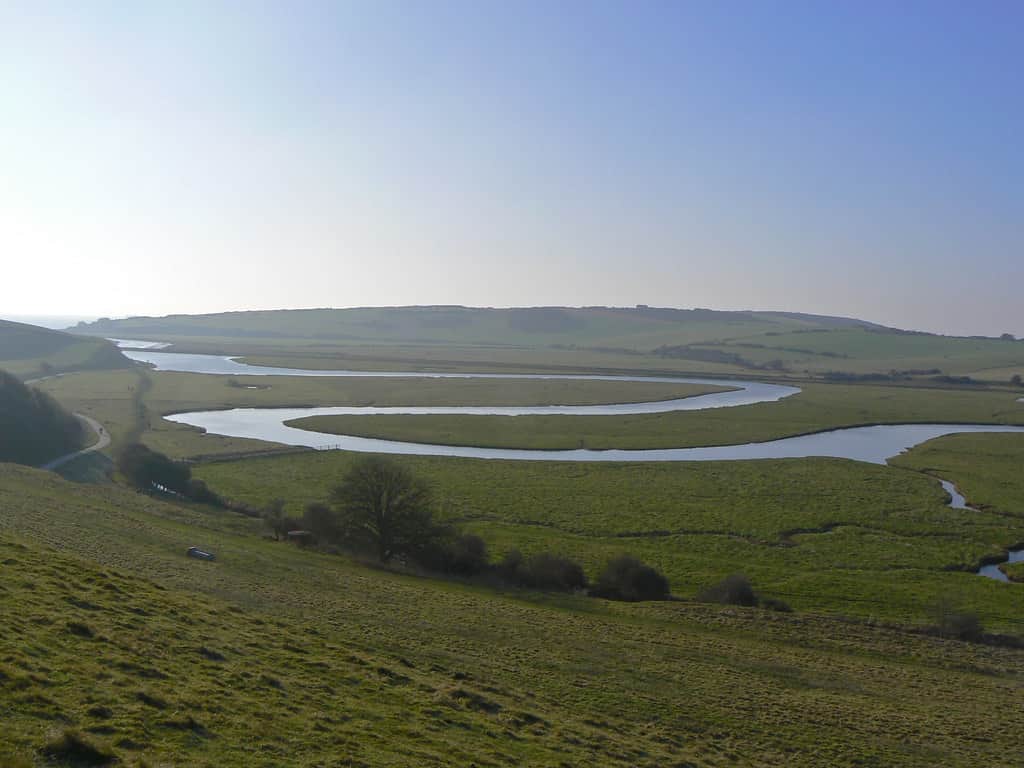
Route: Park at Seven Sisters Country Park (30 minutes from Lewes) and follow the meandering Cuckmere River through water meadows to the sea. The flat, easy path parallels the river's famous meanders—those graceful loops that appear in countless photographs of "classic English countryside." At the coast, you can extend your walk by climbing up to Haven Brow for Seven Sisters views, or simply enjoy the river mouth where freshwater meets the Channel.
Why it's special: The tranquil beauty here contrasts with the dramatic heights of the ridge walks. This is intimate, gentle landscape—wildflower meadows, slow-moving river, grazing cattle. The famous oxbow meanders create a landscape that's almost abstract in its curved perfection. Artists and photographers flock here for the light and the serene views.
Birdwatching: The valley's wetlands attract wading birds year-round. In winter, migrating species stop here. In summer, you'll see herons, egrets, and countless songbirds.
Planning Your South Downs Walking Holiday
Best Seasons for Walking
Spring (March-May): The Downs burst into life. Wildflowers begin blooming, skylarks return to sing, and lambs dot the hillsides. Weather is changeable—layers essential—but the fresh green growth and longer days make this many walkers' favorite season. Less crowded than summer.
Summer (June-August): Peak walking season brings guaranteed longer days, warmest weather, and the full explosion of wildflowers and butterflies. The chalk grasslands are at their most biodiverse—look for orchids, marbled white butterflies, and the shimmer of countless moths in the evening. Busiest time on popular trails, but the Downs' vast spaces mean you can still find solitude.
Autumn (September-November): Cooler temperatures ideal for longer walks. The slanting autumn light creates dramatic photography conditions. Fewer walkers on the trails. By October, early frosts can dust the hilltops, and the air has that crisp clarity that extends views even further. Best season for serious mileage.
Winter (December-February): Shortest days and lowest temperatures, but winter walking on the Downs has magic of its own. Frost crisps the grass, the chalk paths glow white against gray skies, and you might walk for hours seeing only ravens and distant sheep. After a cold walk, Lewes's pubs with real fires feel particularly welcoming. Quietest season—you'll have trails to yourself.
What to Pack
Essential:
- Proper walking boots (the chalk paths get slippery when wet)
- Layered clothing (weather changes quickly on exposed downs)
- Water (more than you think—no facilities on the hills)
- Maps and/or GPS device (phone signal can be patchy)
- Sun protection (no shade on the ridge walks)
- Snacks and lunch
Recommended:
- Walking poles (helpful on steep descents)
- Binoculars (for wildlife and long views)
- Camera (the photographic opportunities are endless)
- First aid basics
- Emergency warm layer and waterproof
Guided Walks vs. Independent Hiking
The South Downs are well-marked and well-mapped, making independent hiking straightforward. OS Explorer Map 122 (South Downs Way—Steyning to Newhaven) and Map 123 (South Downs Way—Newhaven to Eastbourne) cover most walks from Lewes.
However, guided walks offer insights into the landscape's ecology, history, and hidden features you'd miss on your own. Local guides point out Roman roads, explain the chalk grassland ecosystem, identify wildflowers and butterflies, and share the social history of these working hills. Several companies operate from Lewes and Brighton, offering full-day and half-day guided walks.
Combining Walking with Culture
One advantage of basing yourself in Lewes rather than in remote accommodation: you can balance walking days with cultural days without packing up and moving. Walk the Downs one day, visit Charleston House or Glyndebourne the next, explore Lewes Castle and town museums on a third. The variety makes for a more balanced holiday and means tired legs get proper recovery time.
Why The View at Hill Lodge Works for Walkers
Space for Groups: Walking holidays are more enjoyable shared. Our flat sleeps 6-8, perfect for walking groups splitting accommodation costs or extended families with varying hiking abilities. After a day on the Downs, everyone has space to shower, change, and relax before reconvening for evening plans.
Practical Facilities:
- Dedicated parking for trail access (invaluable for circular walks)
- Full kitchen for making hearty walkers' breakfasts and packed lunches
- Three bathrooms (no queue for the shower after muddy walks)
- Washing machine (essential for multi-day walking holidays)
- Plenty of space to dry boots and coats
Perfect Location:
- Central Lewes position for accessing different trail sections
- Walking distance to Lewes's pubs, restaurants, and shops
- Short drive to major trailheads (no long car journeys before walking)
- Views over the South Downs from our top-floor windows—plan tomorrow's route with binoculars and OS map
Flexibility: Self-catering means you set your own schedule. Want to start walking at dawn to catch sunrise from Firle Beacon? No breakfast time constraints. Fancy a late start after yesterday's 15-miler? Sleep in. Picnic lunch or return for a proper midday meal? Your choice.
Local Walking Resources
Information:
- Lewes Tourist Information Centre: Walking maps, guides, local trail conditions
- South Downs National Park website: Official trail information, downloadable routes
- Harvey Maps: Lightweight, waterproof maps preferred by serious walkers
Equipment:
- Outdoor shops in Lewes for last-minute gear needs
- Harvey's Brewery: Reward yourself with local beer brewed in Lewes since 1790
Weather:
- Mountain Weather Information Service (MWIS): South Downs specific forecasts
- Met Office: Local area weather with wind speed (important on exposed ridges)
Book Your South Downs Walking Holiday
Ready to explore the South Downs from a comfortable base with proper facilities and town amenities? The View at Hill Lodge offers walkers everything they need: space for groups, parking for trail access, full self-catering facilities, and Lewes's independent shops and restaurants at your doorstep. After a day on England's iconic chalk hills, return to comfort, community, and your own private retreat with sweeping views.